



![How to Play Standoff 2: Tips and Strategies for Beginners [Y] - photo №64662](https://qame.info/wp-content/uploads/2023/10/kak-igrat-v-standoff-2.webp "How to Play Standoff 2: Tips and Strategies for Beginners [Y]")
The Hidden Economics of Energy in Travel Town
If you have spent more than five minutes inside Travel Town, you know one thing: energy rules everything.
You cannot merge without it. You cannot progress without it. And the moment your bar runs dry, you are stuck waiting, watching ads, or reaching for your wallet.
At first glance, energy feels like a nuisance. Why not just let us play endlessly? Why make the fun stop?
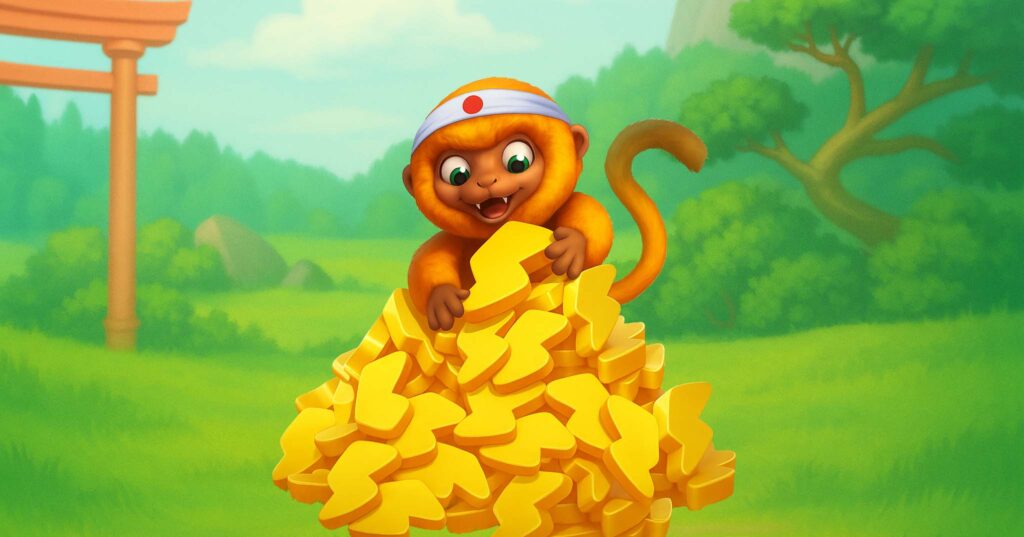
Here is the truth: energy is not just a gameplay mechanic. It is the engine of Travel Town’s business model. Understanding it does not just make you a smarter player. It makes you a savvier observer of how free to play games shape behavior. If you want practical tips on gathering more energy, check out Travel Town Free Energy. For now, let’s look at the bigger picture.
Why Energy Exists in the First Place
Imagine for a moment that energy did not exist. You could merge all day long, unlocking new items and finishing events in hours instead of days.
Sounds fun, right? For about a week.
Then you would hit a wall. With nothing slowing you down, you would burn through the content too fast. And here is the kicker: you would have no reason to come back tomorrow.
Energy is not there to annoy you. It is there to pace the game. It drip feeds progress so that Travel Town feels like a long term adventure instead of a weekend fling.
Game designers call this retention mechanics. By limiting how much you can do at once, they keep you coming back daily, building a habit.
In other words, energy is not just fuel. It is a leash.
The Real Currency of Travel Town
Sure, coins and gems sparkle on the screen, but energy is the real gold standard.
- Coins let you buy items, but you need energy to use them.
- Gems can buy you energy outright.
- Event points only accumulate if you spend energy first.
See the pattern? Every valuable currency in Travel Town ultimately flows through energy. It is the gatekeeper of progress.
Think of it like an amusement park. You might buy snacks or souvenirs, but none of it happens until you pay for a ticket at the gate. Energy is your ticket.
The Business Behind the Bar
Let’s talk dollars and cents.
Energy has three jobs in the economy of Travel Town:
- Monetization trigger. When your bar runs dry and you are hooked in the middle of an event, what is the fastest way to keep playing? Buy gems. And what can gems buy? More energy.
- Time anchor. Energy regenerates slowly, usually one unit every couple of minutes. This forces you to pace your play sessions. Instead of binging, you return in short bursts throughout the day. That means more ad views, more engagement, and more chances for the developers to monetize.
- Scarcity driver. Humans value what is scarce. By limiting energy, the game makes each merge feel precious. Spending energy becomes a micro decision, and scarcity nudges players toward valuing in app purchases more.
In short, energy is the invisible hand that balances fun and revenue. Without it, the business model collapses.
Why “Free Energy” Is Not Free
If you have chased daily energy links, you know the thrill of getting 100 or 200 units with a click.
But let’s zoom out. Why do those links exist?
Simple. They are breadcrumbs. A steady stream of small rewards keeps you engaged. You check the game daily, not wanting to miss out. And each time you log in, you are back in the ecosystem, more likely to watch ads, join events, and eventually spend money.
Even “free” energy from ads has a hidden cost: your attention. You trade 30 seconds of eyeballs for a handful of energy. Multiply that across millions of players, and those ads become a major revenue stream for the developers.
So yes, you did not spend money. But you did spend time. And time, as we know, is the most expensive resource of all.
Strategic Scarcity: How Events Amplify the Game
Have you noticed how energy feels more valuable during events? That is by design.
During a normal session, 100 energy might get you some coins and XP. During a timed event, that same 100 energy could unlock exclusive rewards, boosters, or leaderboard spots.
This is scarcity stacked on scarcity. Not only is your energy limited, but the window of opportunity is also limited. That double scarcity pushes players to think differently about their resources and makes them more likely to spend gems when energy runs out.
From the developer’s perspective, events are a revenue accelerator. From your perspective, they are a lesson in how scarcity drives urgency.
Lessons from Travel Town’s Energy Economy
Here is the big takeaway: Travel Town is not just a game. It is a live demonstration of behavioral economics.
- Scarcity creates value.
- Time limits drive urgency.
- Friction nudges spending.
- “Free” rewards hook attention.
If you pay attention, you will start to see these same principles everywhere: in subscription apps, in marketing funnels, even in your grocery store loyalty program.
Travel Town just happens to package it in colorful merges and cheerful sound effects.
How to Play Smarter
Knowing the economics does not ruin the fun. In fact, it makes you a sharper player.
- Time your sessions. Since energy regenerates on a clock, play when you are full, then step away. Do not let the game dictate your schedule.
- Save for events. Energy is worth more when rewards stack. Hoard it strategically.
- Value your attention. Ads feel free, but they are not. Ask yourself if 30 seconds of your life is worth 20 units of energy.
- Set boundaries. Recognize the design. Scarcity is not about fairness, it is about business. Play with awareness.
The point is not to stop playing. It is to play on your terms.
Final Thought
When you strip away the animations, Travel Town is really about economics, the hidden push and pull between player attention and developer revenue.
Energy is the lever. It keeps you engaged, sets the pace, and funds the game’s growth.
The next time your bar runs empty, do not just sigh and wait. See it for what it is: a masterclass in behavioral design.
And once you understand the economics, you are no longer just a player. You are in on the secret.
The post has been updated 08.09.2025 23:28. There is new relevant information.
Any suggestions for an update? Write in the comments.

 1003
1003
 1011
1011